Source Industrial Rubber Sheet for Flooring, Industrial, and Printing
Compare 30 industrial rubber sheet options featuring natural, synthetic, and silicone materials. Buyers can evaluate corrosion-resistant, wear-resistant, and insulating properties for flooring, industrial, and printing applications with customizable thickness and width; compare the available evidence and request quotations based on your requirements.
Key considerations
Products List




Comprehensive Sourcing Guide
Industrial Rubber Sheet Sourcing Guide
Procuring industrial rubber sheets requires a disciplined approach to material selection, as the performance of the final product depends heavily on the specific polymer chemistry and manufacturing process. Buyers must first define the operational environment, including exposure to oils, heat, or electrical currents, to narrow down the suitable material class. The market offers a diverse range of options, from natural rubber for general-purpose flooring to specialized synthetics like nitrile for oil resistance. Understanding these distinctions prevents costly mismatches between material capabilities and application demands, ensuring long-term reliability in industrial settings.
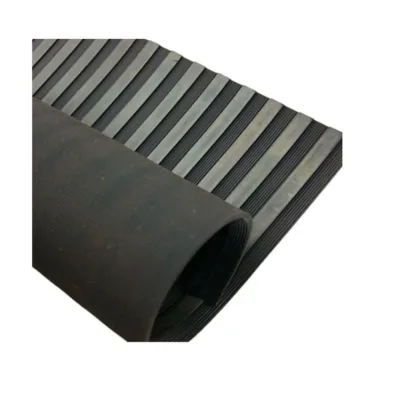
Beyond material type, the physical form and surface finish play critical roles in installation and functionality. Sheets are available in various configurations, including rolls, slabs, and custom-cut pieces, with surface treatments ranging from smooth finishes to cloth-waved or impression fabrics for enhanced grip. Buyers should verify the medium, such as pure gum rubber or metal frame layer constructions, to ensure compatibility with existing machinery or flooring systems. This initial scoping phase establishes the foundation for all subsequent technical and commercial evaluations, reducing the risk of procurement errors.
Product Scope and Observed Listing Signals
The current market landscape for industrial rubber sheets presents a wide variety of product models and material compositions, reflecting the diverse needs of global industries. Listings frequently highlight specific product codes such as IRS, ASRS, and SBR, each corresponding to distinct material properties and performance characteristics. For instance, some offerings focus on natural rubber combined with pads for general industrial use, while others emphasize synthetic rubber variants like SBR or silicone for specialized applications. This diversity allows buyers to find solutions tailored to specific mechanical or chemical requirements, but it also necessitates careful verification of the exact material composition listed.
Observed listing signals indicate that suppliers often provide sheets in roll formats with varying dimensions, including widths from 0.5 to 1.8 meters and lengths up to 30 meters. Thicknesses typically range from 1 to 50 millimeters, accommodating everything from thin gaskets to heavy-duty floor coverings. Surface options include smooth, cloth wave, or fabric finishes, which influence traction and wear resistance. Buyers should note that while many listings claim customization availability, the actual specifications must be confirmed through direct communication, as standard offerings may not meet unique dimensional or performance needs without explicit agreement.
Technical Specifications to Verify
Technical verification begins with confirming the core material composition, as this dictates the sheet’s resistance to environmental factors. Buyers must distinguish between natural rubber, synthetic rubber, nitrile, silicone, and polyurethane variants, each offering different balances of flexibility, durability, and chemical resistance. For example, nitrile rubber is often selected for its oil-resistant properties, while silicone may be preferred for high-temperature stability. It is crucial to verify the raw materials listed, such as whether the product includes a pad layer or is pure gum rubber, as these components significantly affect the sheet’s structural integrity and application suitability.
Mechanical properties such as tensile strength, hardness, and elongation are equally critical for ensuring the sheet can withstand operational stresses. Typical hardness values may range from 40 to 80 Shore A, allowing for selection based on the required firmness or flexibility. Tensile strength and elongation percentages, often cited between 2-12 MPa and 170%-380% respectively, indicate how the material will behave under load. Buyers should request specific test data or certificates for these parameters, especially for high-stress applications, to ensure the product meets the necessary performance standards and will not fail prematurely in service.
Compliance and Safety Documentation
Safety and regulatory compliance are paramount when sourcing industrial rubber sheets, particularly for applications involving electrical insulation or food contact. Buyers must verify that the supplier holds relevant quality management certifications, such as ISO 9001, which indicates a standardized approach to manufacturing and quality control. While environmental standards like ISO 14001 may be mentioned in broader contexts, their specific relevance to the product should be confirmed. Ensuring that the rubber sheet meets industry-specific safety standards is essential for protecting workers and maintaining operational continuity in regulated environments.
Documentation should also include detailed material safety data sheets (MSDS) and compliance certificates for chemical resistance and flammability. For electrical applications, proof of insulating properties is critical, and buyers should request test results demonstrating dielectric strength and volume resistivity. Additionally, if the sheet is intended for flooring or high-traffic areas, slip resistance ratings and wear-test results should be reviewed. These documents provide objective evidence of the product’s performance and safety profile, reducing liability and ensuring that the purchased material aligns with internal safety protocols and external regulatory requirements.
Cost Drivers and Commercial Terms
Several factors influence the final cost of industrial rubber sheets, with material type and thickness being primary drivers. Premium materials like silicone or specialized nitrile blends typically command higher prices than standard natural or SBR rubber. Thickness also plays a significant role, as thicker sheets require more raw material and energy to produce. Buyers should analyze the price range in the context of these variables, recognizing that lower prices may correspond to thinner gauges or less durable material compositions. Understanding these cost drivers helps in budgeting accurately and avoiding unexpected expenses due to material upgrades or thickness adjustments.
Commercial terms, including minimum order quantities (MOQ) and delivery times, also impact the total cost of ownership. MOQs can vary widely, from small batches for prototyping to large volumes for continuous production, affecting inventory holding costs. Delivery lead times, often cited within 25 days, influence supply chain planning and potential stockout risks. Buyers should negotiate clear terms regarding packaging, such as woven bags with plastic film or palletized shipments, to prevent damage during transit. Clarifying these terms early in the sourcing process ensures transparent pricing and reliable supply, minimizing disruptions to production schedules.
Supplier Qualification and Quality Control
Supplier qualification is a critical step in mitigating procurement risks, requiring a thorough assessment of the manufacturer’s capabilities and track record. Buyers should verify the supplier’s origin and production facilities, ensuring they have the infrastructure to produce consistent quality rubber sheets. Customization capabilities, such as accepting OEM requests or providing specific surface finishes, indicate a supplier’s flexibility and responsiveness to unique buyer needs. Engaging with suppliers who demonstrate a commitment to quality control processes helps ensure that the products delivered meet the specified technical requirements and performance standards.
Quality control measures should be explicitly defined in the purchase agreement, including inspection protocols and acceptance criteria. Buyers may request pre-shipment inspections or third-party testing to verify material properties, dimensions, and surface quality. Establishing clear communication channels for addressing defects or non-conformities is essential for maintaining a productive supplier relationship. Additionally, reviewing the supplier’s history of on-time delivery and customer satisfaction can provide insights into their reliability. A robust qualification process ensures that the selected supplier can consistently deliver high-quality industrial rubber sheets that meet the buyer’s operational and safety requirements.
Long-Term Procurement Checks
Long-term procurement success depends on continuous monitoring of supplier performance and product quality over time. Buyers should establish key performance indicators (KPIs) to track metrics such as delivery reliability, defect rates, and responsiveness to issues. Regular audits or periodic quality checks can help identify potential problems early, allowing for corrective actions before they impact production. Maintaining open communication with the supplier facilitates ongoing improvement and ensures that any changes in material composition or manufacturing processes are communicated and approved in advance.
Additionally, buyers should periodically review market trends and alternative material options to ensure they are sourcing the most cost-effective and suitable products. Technological advancements in rubber manufacturing may offer new benefits, such as improved durability or environmental sustainability, which could enhance operational efficiency. By staying informed and proactive, buyers can optimize their supply chain, reduce costs, and maintain high standards of product quality. This strategic approach to long-term procurement ensures that the industrial rubber sheets continue to meet the evolving needs of the business and its customers.
FAQs
What materials are used for industrial rubber sheets?
Industrial rubber sheets are manufactured from various materials including natural rubber, synthetic rubber, silicone rubber, nitrile rubber, and polyurethane rubber. These materials provide specific properties such as oil resistance, heat resistance, and electrical insulation. Buyers can select the appropriate material based on their specific industrial application requirements and environmental conditions.
What are the standard thickness and width specifications?
Standard industrial rubber sheets typically have a thickness ranging from 1 to 50 mm and a width between 0.5 and 1.8 meters. Lengths can vary from 1 to 30 meters depending on the product model. These dimensions allow for versatile use in flooring, industrial slabs, and custom cutting applications across various sectors.
Can industrial rubber sheets be customized for specific needs?
Yes, customization is available for industrial rubber sheets to meet specific project requirements. Manufacturers often accept OEM orders and can adjust hardness levels, surface finishes, and dimensions. Buyers should specify their desired hardness, such as 40 to 80 Shore A, and any special surface treatments like smooth or cloth wave finishes during the inquiry.
What features do high-quality rubber sheets offer?
High-quality industrial rubber sheets offer features such as corrosion resistance, wear resistance, heat and cold resistance, impact resistance, and electrical insulation. These properties ensure durability and safety in demanding industrial environments. The sheets are designed to withstand harsh conditions while maintaining structural integrity and performance over extended periods of use.
What is the typical delivery time for orders?
The typical delivery time for industrial rubber sheet orders is within 25 days. This timeframe allows for production, quality control, and packaging in woven bags and plastic film or on pallets. Buyers should confirm lead times with suppliers to ensure alignment with their project schedules and logistical requirements.
Are certifications available for these rubber products?
Certifications such as ISO9001 are available for industrial rubber sheets, indicating adherence to quality management standards. Buyers should request certification documents to verify compliance. While ISO 14001 is mentioned in background data, ISO9001 is the confirmed high-confidence certification for quality assurance in these products.